Primary case study

Primary case study
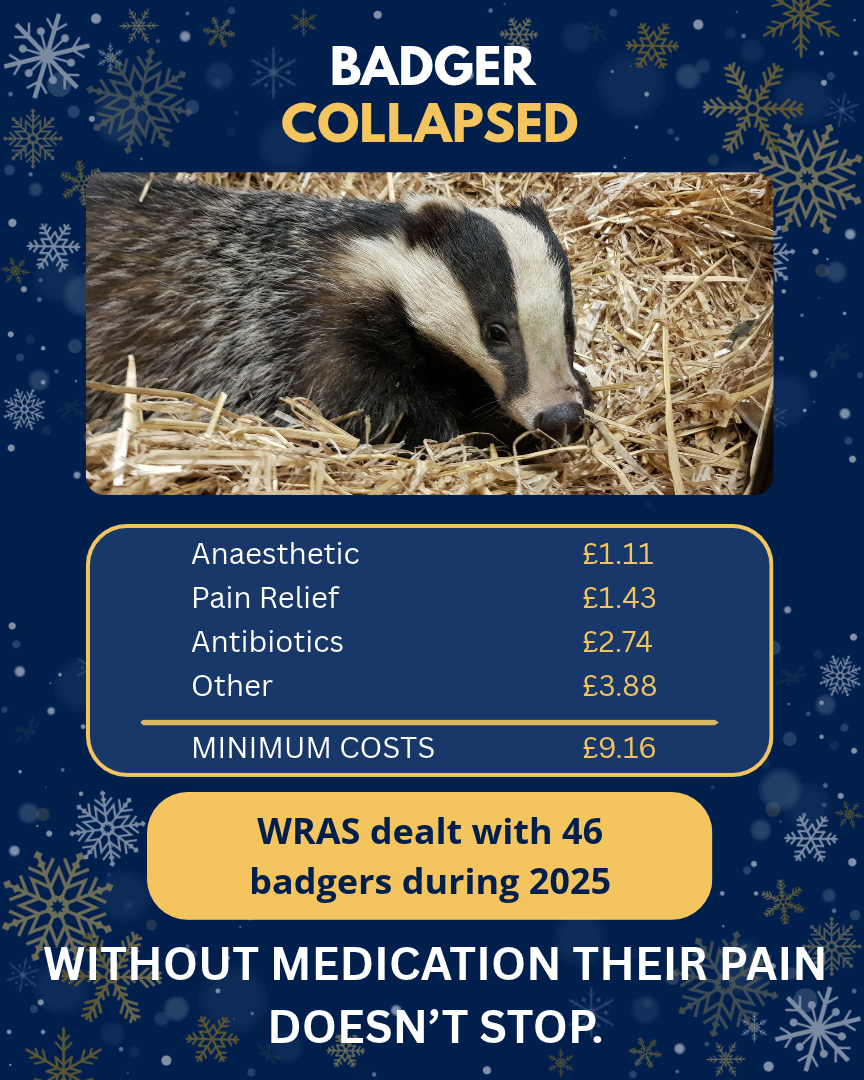
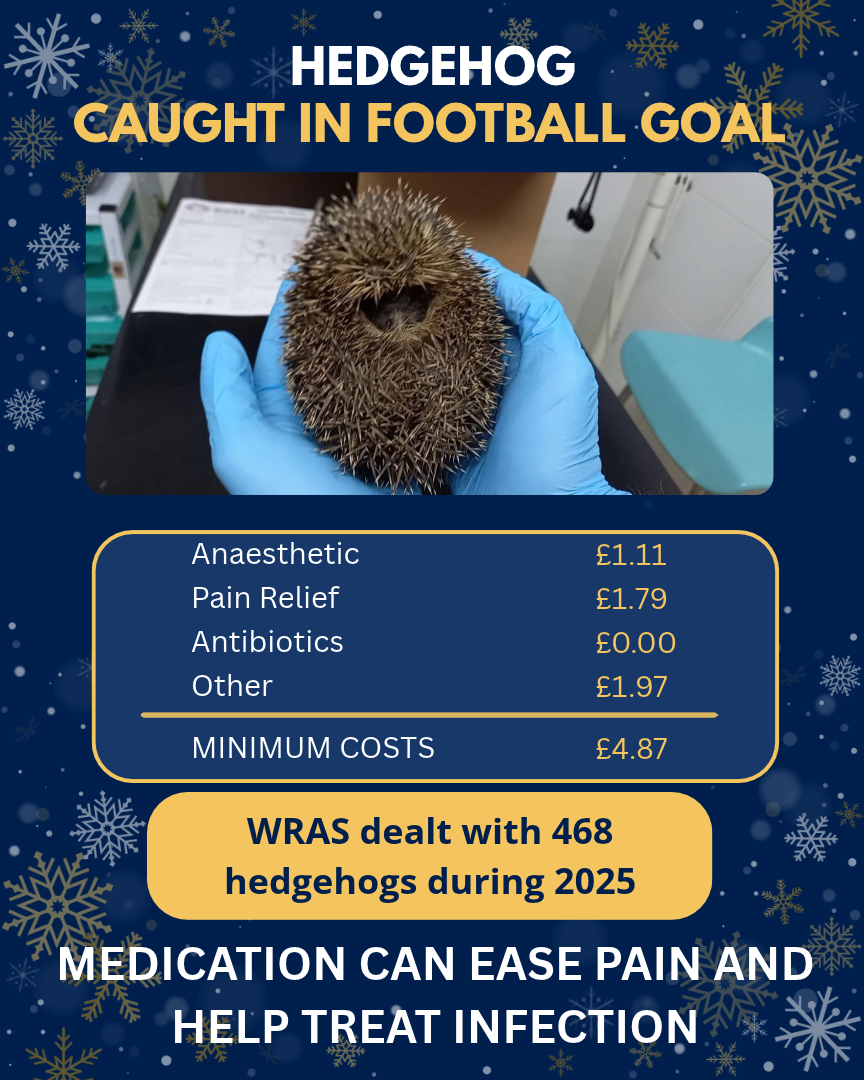
Medication used in this case
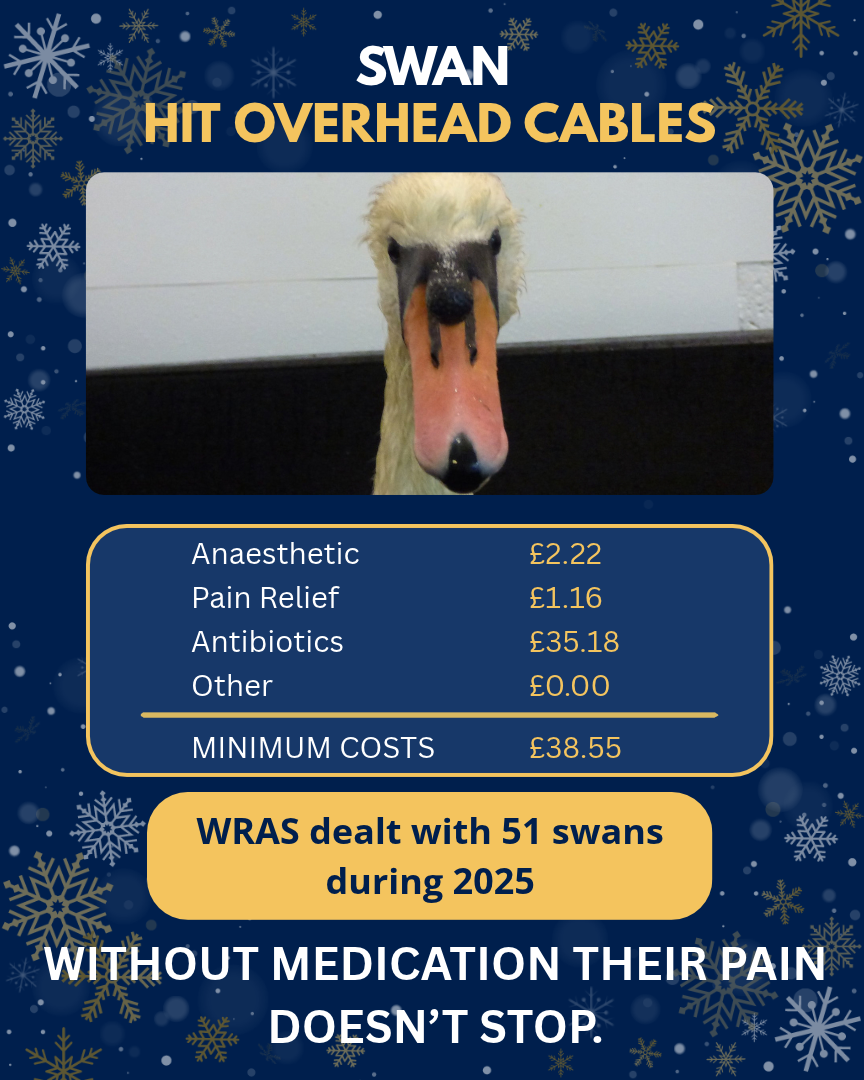
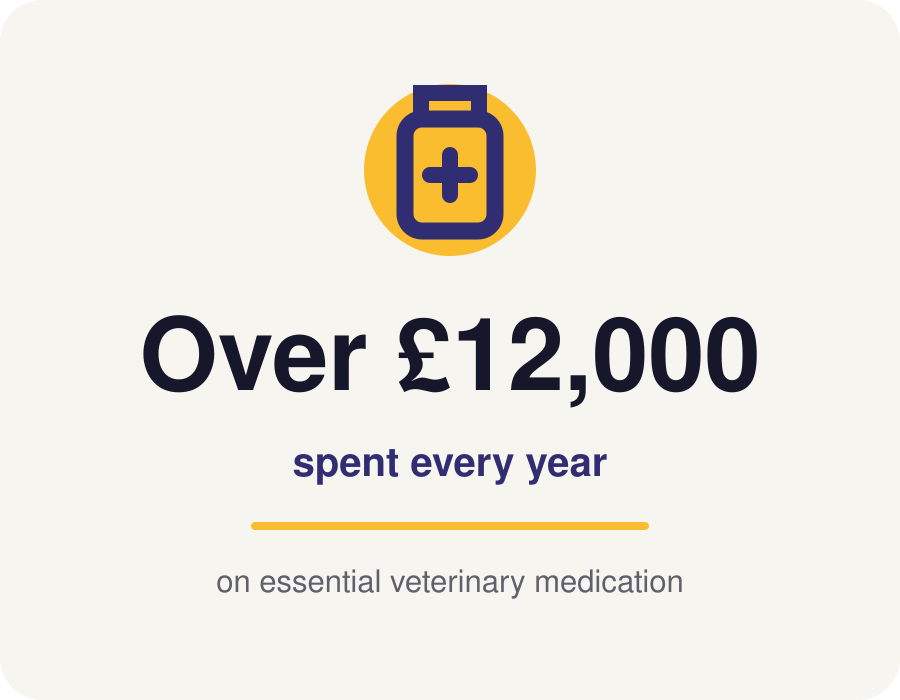
These figures cover the complete medication used or prescribed in this case. They do not include rescue, veterinary time, clinical supplies, accommodation or rehabilitation.
Why this appeal matters
Whether you give £5 or £500, your support can have a huge impact.
WRAS has always believed that every casualty deserves to be assessed and treated as an individual, based on its condition and needs. Whether your donation helps us care for one animal or many, it will relieve suffering and give injured wildlife a better chance of recovery.
Your donation could help provide:
£5 towards medication for a road casualty badger
£33 towards one day’s veterinary medication
£66 towards a weekend’s veterinary medication
£230 towards an entire week’s veterinary medication
The animals brought to WRAS do not simply need somewhere to stay. They arrive injured, sick and suffering. They need individual assessment, specialist care and the right veterinary treatment.
Medication is at the heart of that work—relieving pain, fighting infection and giving every casualty the best possible chance of recovery.
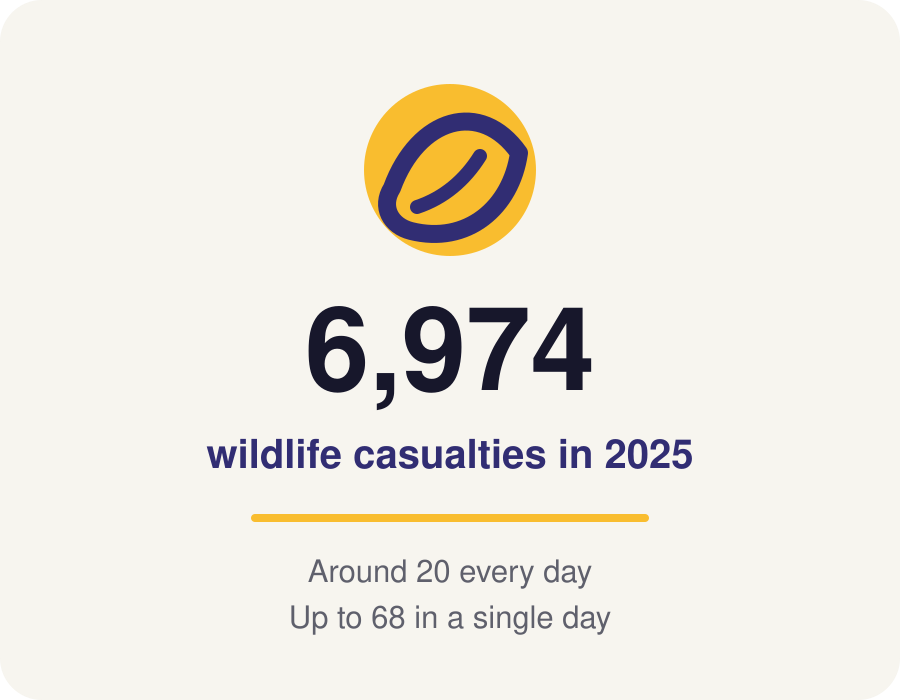
Medication for one casualty may cost only a few pounds, but WRAS cares for around 7,000 wildlife casualties every year, and most need medication as part of their treatment. Across thousands of animals, these seemingly small amounts quickly add up.
Without essential medicines to relieve pain, fight infection and support recovery, thousands of injured and sick animals would be left to suffer.
Every casualty matters. Every donation matters.
Help ease their pain this Christmas.
A SPECIAL WAY TO GIVE THIS CHRISTMAS
Instead of sending Christmas cards this year, why not donate what you would normally spend on cards and postage to help injured wildlife across East Sussex?
Leave a festive greeting on our Christmas Wishes Wall and help provide essential medicines and pain relief to injured wildlife.
Visit Our Christmas Wishes WallShare your wishes. Spread kindness. Help ease their pain.
Case study
Caught by the leg in a powerful rat snap trap, this tiny weasel needed urgent help. At WRAS’s Casualty Centre, our Lead Vet Jasmin used anaesthetic to release it safely, reducing distress and allowing a thorough examination.
X-rays showed no visible fracture, but Jasmin remained concerned about damage to the knee joint. The weasel received strong pain relief and is now recovering. We hope it will make a full recovery.
The medication cost just £1.27 — a small amount that made a huge difference to this animal’s care.
Iso-Vet provided the anaesthetic, while Metacam and Buprelieve helped relieve pain. This figure covers medication alone; rescue, X-rays, nursing and ongoing care cost more.
Without these medicines, freeing and treating the weasel would have been far more distressing and difficult. Even our smallest patients need more than somewhere safe to rest.
Help ease their pain this Christmas. Your donation can help provide the medication injured wildlife desperately needs.
Case study
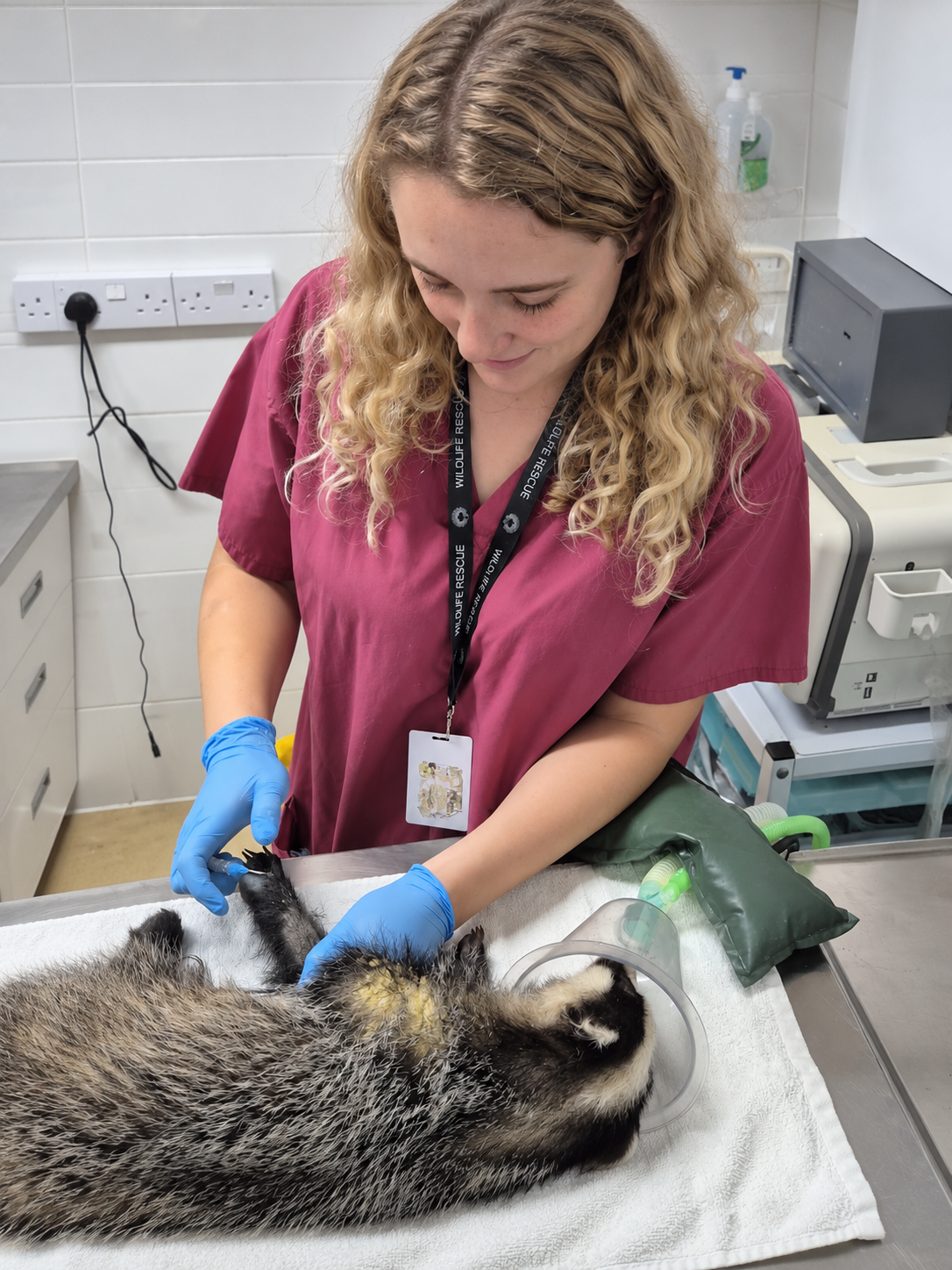
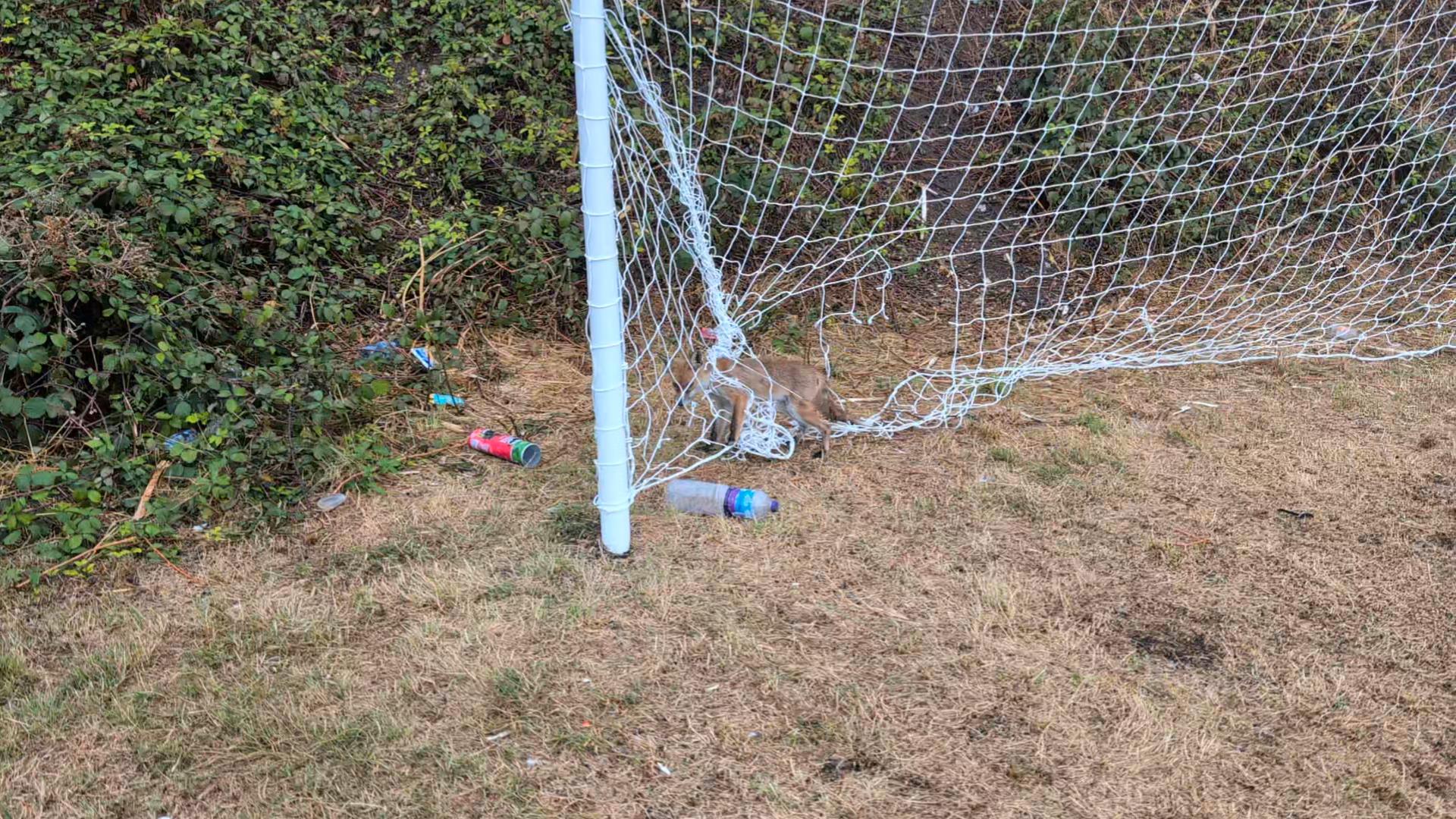
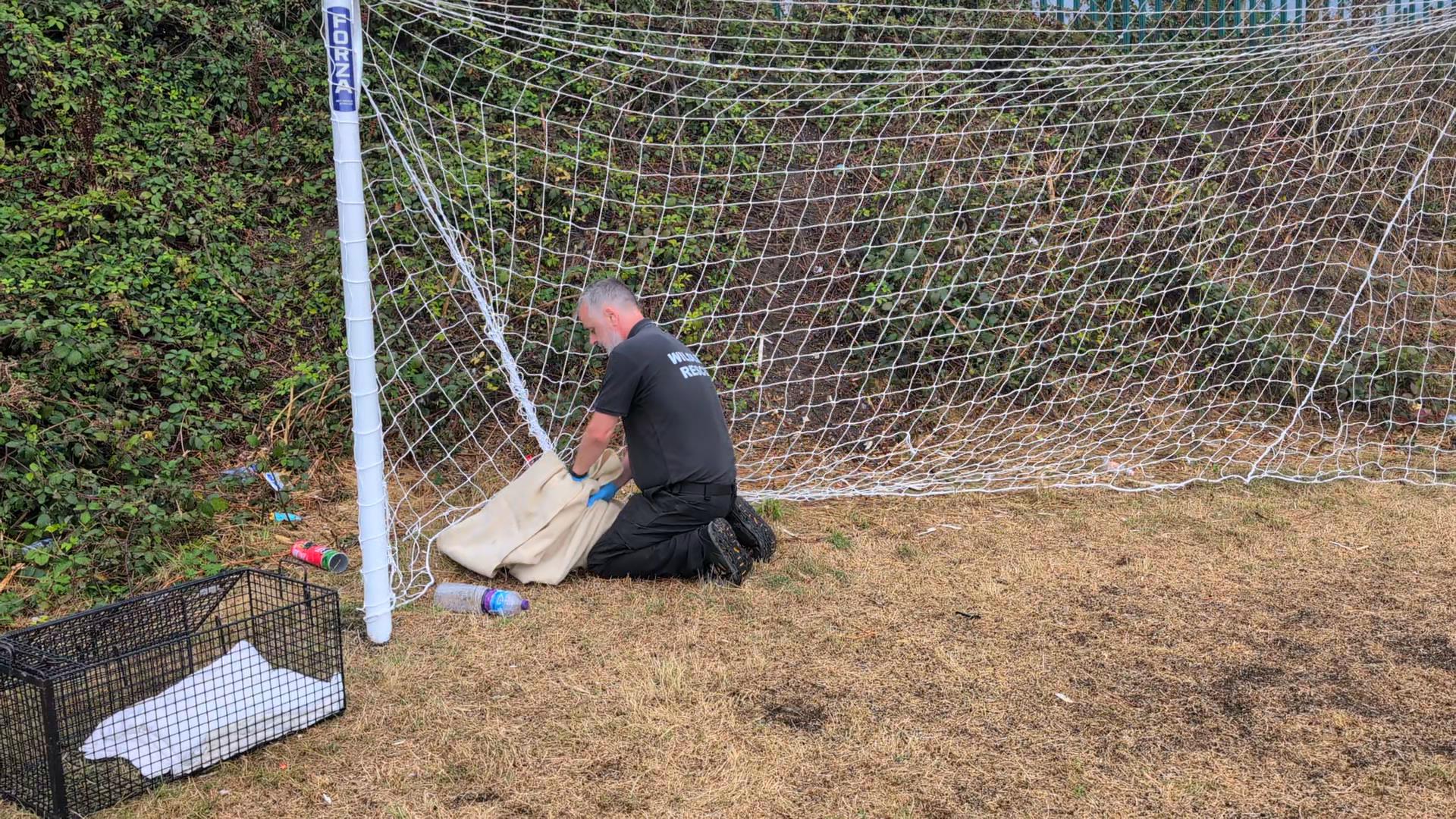
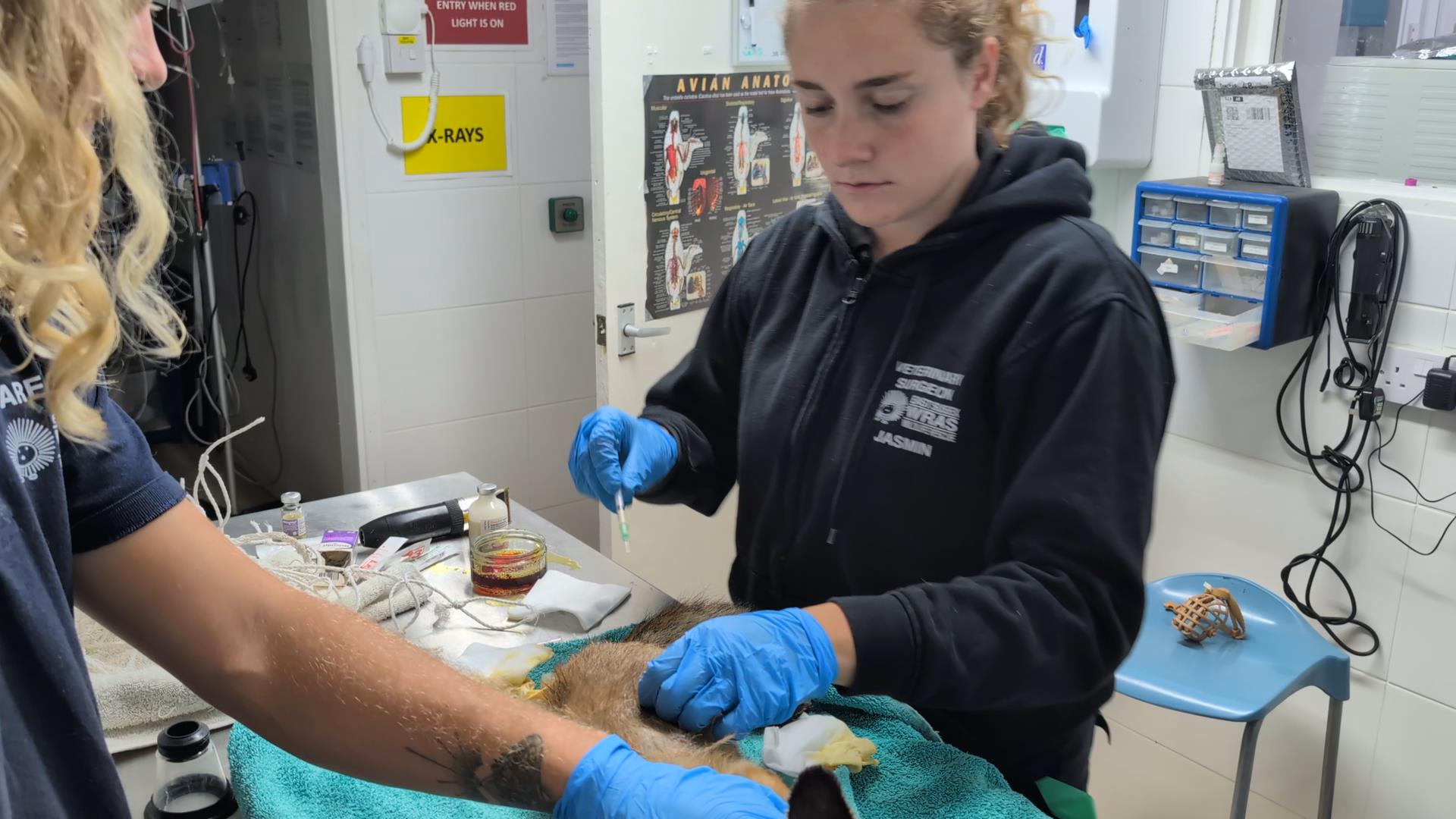
Found collapsed in a field at Ninfield, this badger urgently needed help. WRAS rescuers located the animal and rushed it to our Casualty Centre, where vet Jasmin Gregory anaesthetised it for a safe, thorough examination.
The badger was underweight and suffering from flystrike, with fly eggs and maggots covering its body. X-rays revealed no signs of internal injury. During 90 minutes under anaesthetic, the team painstakingly removed all the eggs and maggots. The badger also received intravenous fluids over three days.
The medication for this lifesaving treatment cost just £9.15. This excludes veterinary time, consumables, rescue and equipment costs, but shows how even a small donation can help provide vital treatment.
Help ease their pain this Christmas. Your support helps give casualties like this badger the urgent care they need and a chance to recover.
Case study
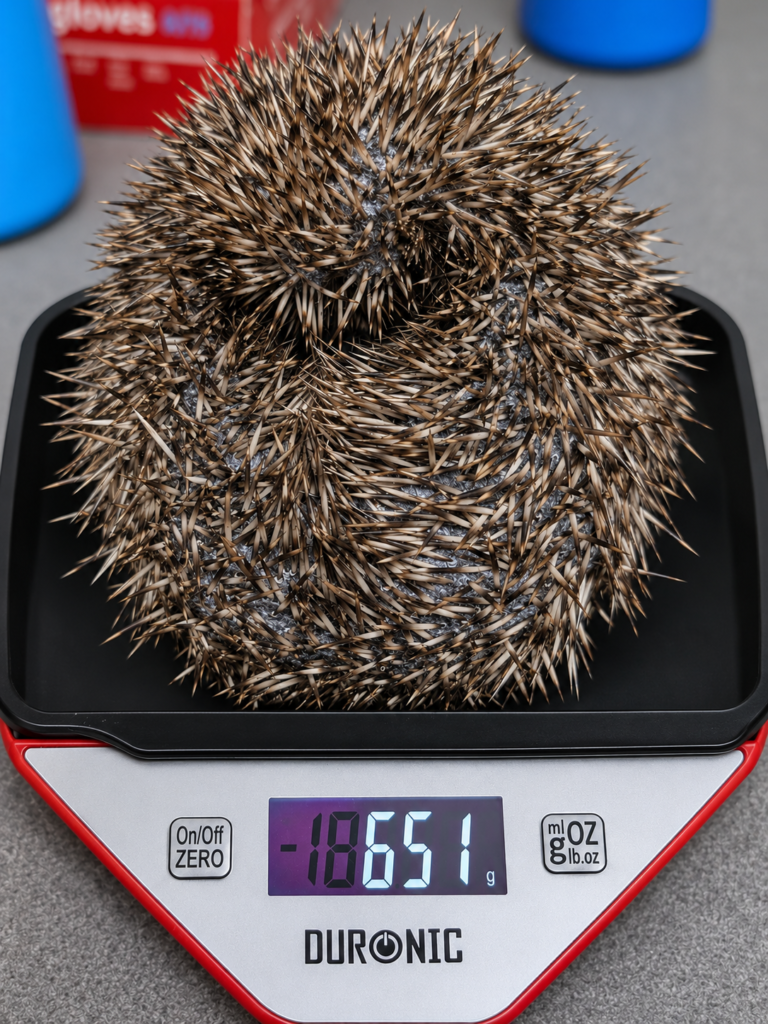
It's not just injuries which our veterinary surgeons treat. Our Care Team often helps to diagnose both internal and external parasites. This hedgehog was found in Westham weighing just 140 grams, being attacked by birds and covered in ticks and fleas.
The external parasites were carefully removed and treated, and faecal analysis undertaken to identify parasites which can't easily be seen, but often take advantage when an animal is weak and poorly.
The medication used in this hedgehog's treatment cost £15.82. It took three different medications to treat both internal and external parasites possible. This hedgehog is now over 600 grams and will soon be released back into the wild.
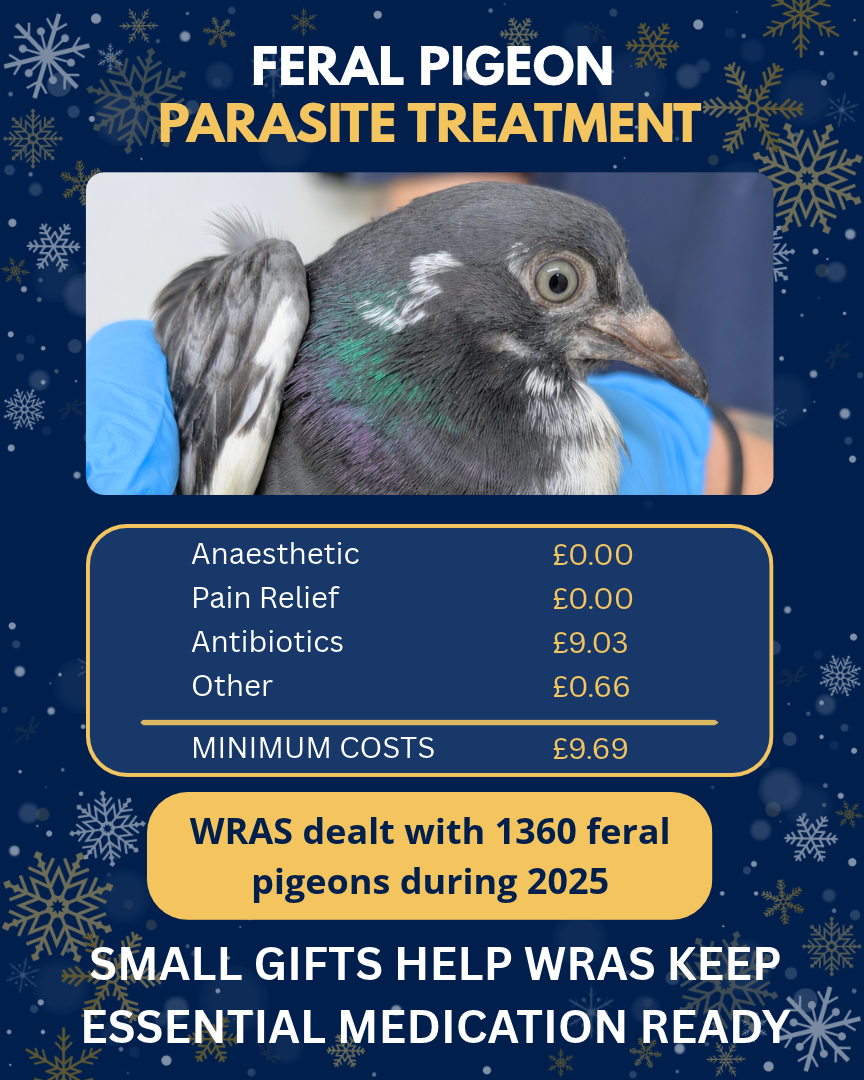
Help ease their pain this Christmas. Your donation helps provide vital medicines for injured wildlife, giving casualties like this pigeon a chance to recover.