
A collapsed badger, an urgent rescue and just £3.72 in medicines!
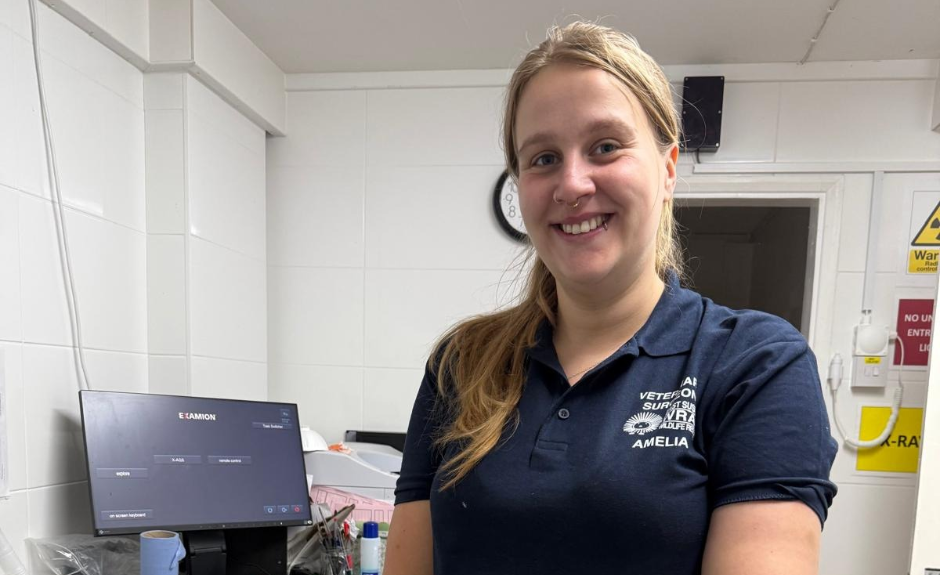
A message from Kristy, our Rescue Co-ordinator
“When someone phones East Sussex WRAS during the daytime about an injured or sick wild animal, it’s often myself or my colleague Amy who will be the first person they speak to.
We’re part of the frontline team at WRAS, answering calls, assessing situations and helping decide what needs to happen next.
Every call is different, and sometimes we have to make quick decisions to ensure an animal gets the help it needs.
One such call came in about a badger found collapsed in a field near Ninfield.
The badger was unable to get away and was lying in a field popular with dog walkers, putting him at further risk of disturbance or injury.
After assessing the situation over the phone, I arranged for one of our rescuers to attend.
Our rescuers have amazing skills and expertise when it comes to safely capturing and transporting injured wildlife. Their work isn’t always easy, particularly when dealing with frightened, injured or potentially dangerous animals such as badgers.
Thankfully, our rescuer was able to safely secure the badger and transport him back to our Casualty Centre.
But as I often say, rescuing them is only the beginning.
What many people don’t get to see is the incredible dedication and hard work that goes on behind the scenes.
Our veterinary team, Care Team and amazing volunteers are there every single day, 365 days a year, caring for sick, injured and orphaned wildlife. At busy times, we can have up to 500 casualties in our care at any one time.
In this badger’s case, our Lead Vet, Jasmin Gregory, had to anaesthetise him to carry out a thorough examination.
He was underweight and suffering from flystrike, with maggots affecting his body. Although X-rays showed no internal injuries, he needed around 90 minutes under anaesthetic while the team carefully removed the maggots and cleaned the affected areas.
He also needed intravenous fluids over the following three days.
💊 But here’s something which might surprise you…
The medicines used during his initial treatment cost just £3.72.
That’s less than the price of many cups of coffee!
Of course, that doesn’t include the veterinary time, equipment, consumables, ambulance costs or the ongoing care needed afterwards.
❤️ And the good news?
Our Ninfield badger is still with us at the Casualty Centre, where our dedicated Care Team and volunteers are continuing to look after him.
He’s recovering, but he still needs to gain more weight before he’s ready to return to the wild.
We’re hoping that, once he’s strong enough, he’ll be able to return to his natural home.
It’s a wonderful reminder that helping wildlife doesn’t end when the ambulance arrives back at WRAS. The care and rehabilitation that follow can take considerably longer.
As Rescue Co-ordinator, I see the work that goes into organising rescues, but I also see the extraordinary care and dedication of the people working behind the scenes.
From the moment that first phone call comes in, right through to treatment, rehabilitation and hopefully release back into the wild, it takes a whole team of people to give wildlife a second chance.
🎄 That’s why I’m supporting our Help Ease Their Pain This Christmas Appeal.
Every year, WRAS spends over £12,000 on essential veterinary medicines alone.
Even a donation of £5 can help towards providing pain relief and vital medication for wildlife in need.
🧡 Please help us continue to provide the treatment and care these animals desperately need.
WITHOUT MEDICATION, THEIR PAIN DOESN’T STOP.
Thank you for supporting us.
Kristy Sayer
Rescue Co-ordinator
East Sussex Wildlife Rescue & Ambulance Service