A Collapsed Badger, An Urgent Rescue and Just £3.72 in medicines.
A collapsed badger, an urgent rescue and just £3.72 in medicines!

A Glass Jar, A Desperate Rescue
When a young fox became trapped in a broken glass jar, her chances of survival were slipping away. What followed was an extraordinary rescue effort and six weeks of dedicated veterinary treatment that gave her a second chance at life.
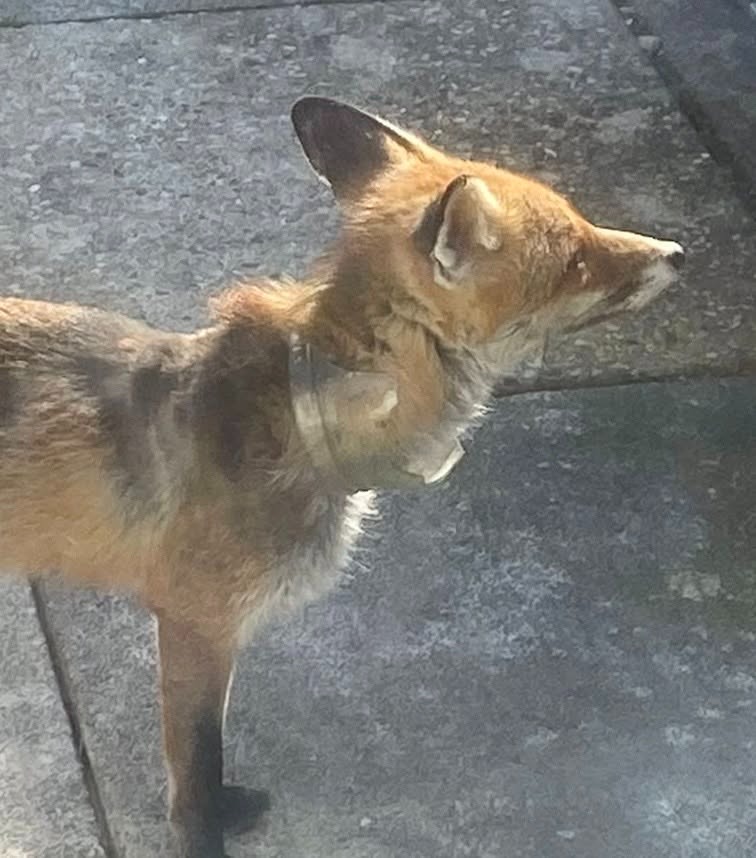
Earlier this year, residents in Rottingdean, Brighton, became increasingly concerned about a young vixen they had affectionately named Pickle.
A large glass jar had somehow become stuck around her neck, leaving her unable to free herself.
As the days passed, Pickle’s situation became increasingly dangerous. In her attempts to escape, she managed to get one of her front legs caught through the jagged opening of the jar.
Now, not only was the jar trapped around her neck, but her leg was also caught inside it, severely restricting her ability to walk, move around and find food.
There were genuine fears that, without urgent intervention, Pickle would not survive much longer.
Lisa Barrow from Brighton & Hove Wildlife Advice & Rescue Service (WARS) launched an appeal on local Rottingdean Facebook pages, asking residents who regularly saw or fed Pickle to get in touch.
Two residents in Dean Court Road responded, offering their gardens for humane cage traps to be placed.
But despite a week of trying, Pickle remained frustratingly elusive.
Then came an unexpected breakthrough.
Another local resident contacted Lisa after seeing the appeal, explaining that Pickle was regularly visiting her garden.
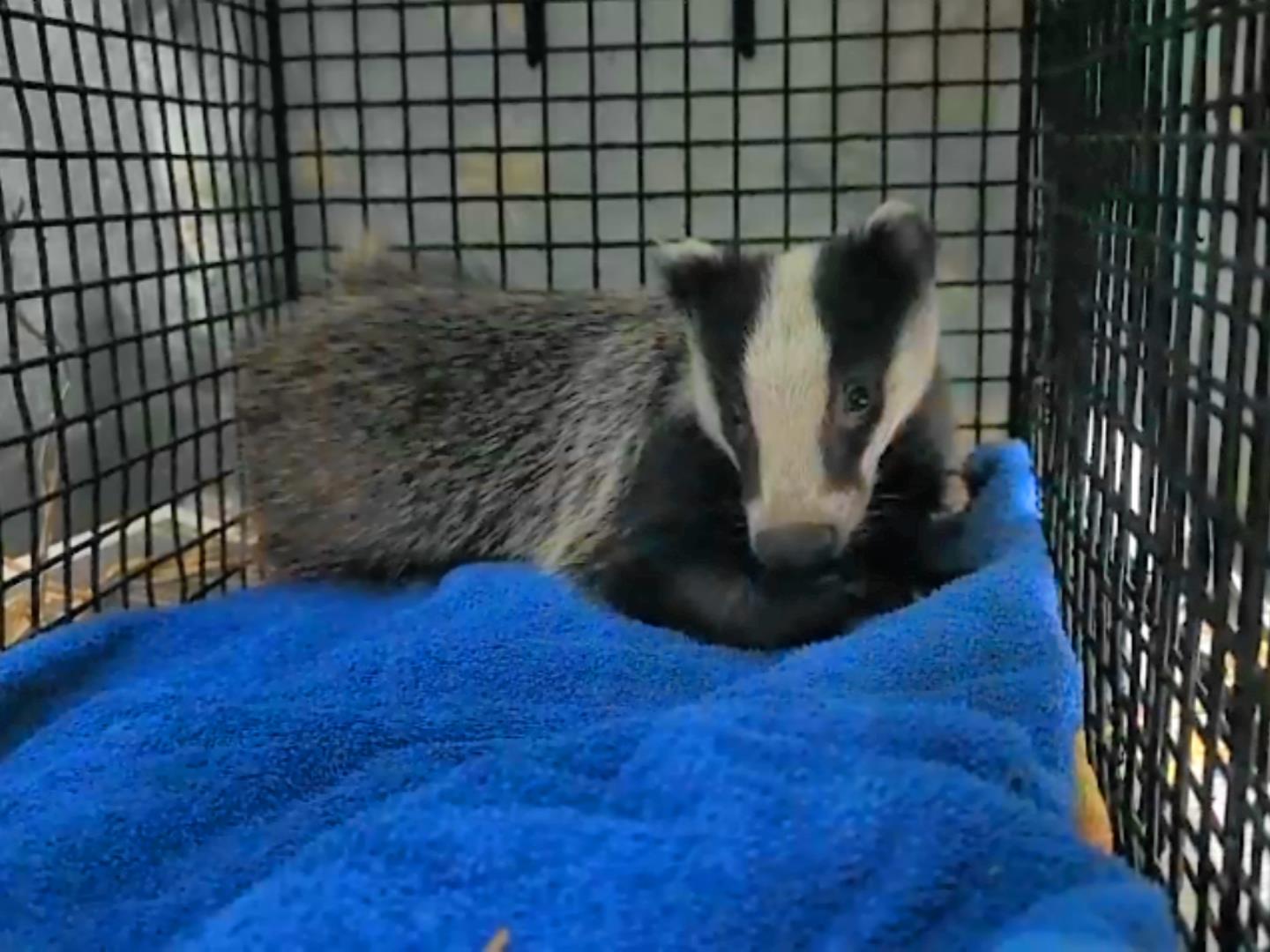
A wildlife camera and cage trap were set up, but the first animal to enter the trap wasn’t Pickle — it was a badger!
Thankfully, a few days later, Pickle finally entered the trap.
After days of worry and uncertainty, she was at last safely captured.
Brighton & Hove WARS transported her to East Sussex Wildlife Rescue & Ambulance Service’s (WRAS) Casualty Centre, where our veterinary team could assess her injuries and begin the treatment she desperately needed.
Although Pickle had finally been freed from the jar, her ordeal was far from over.
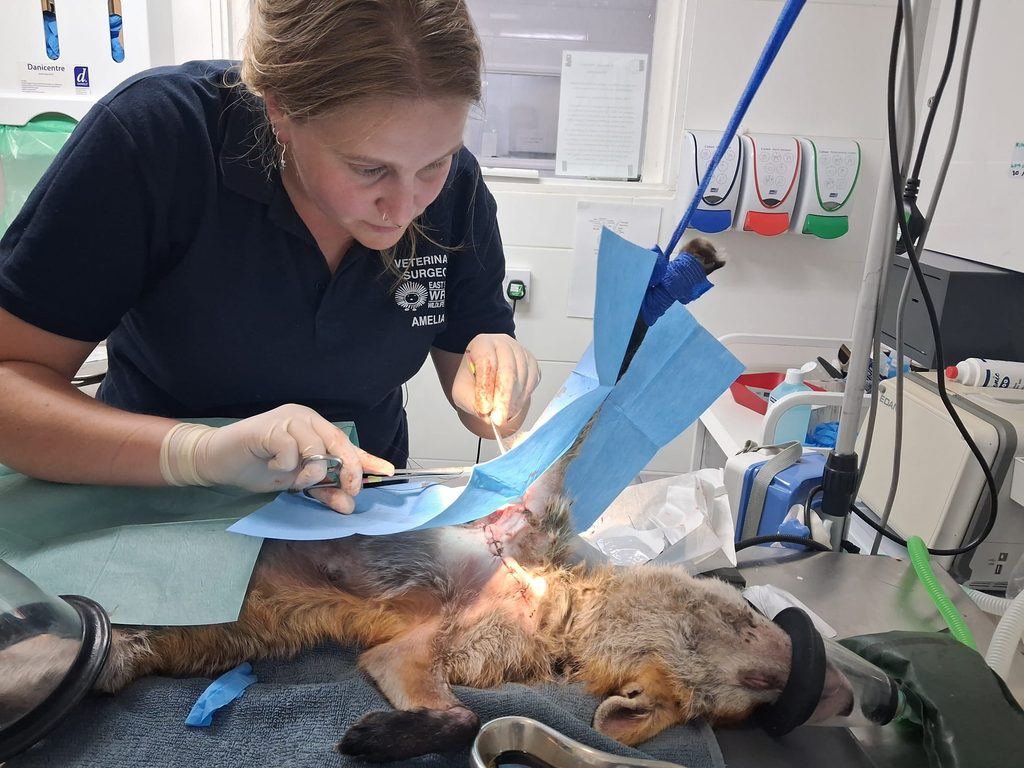
The broken glass had caused several deep wounds, including significant damage to the muscles of one of her front legs.
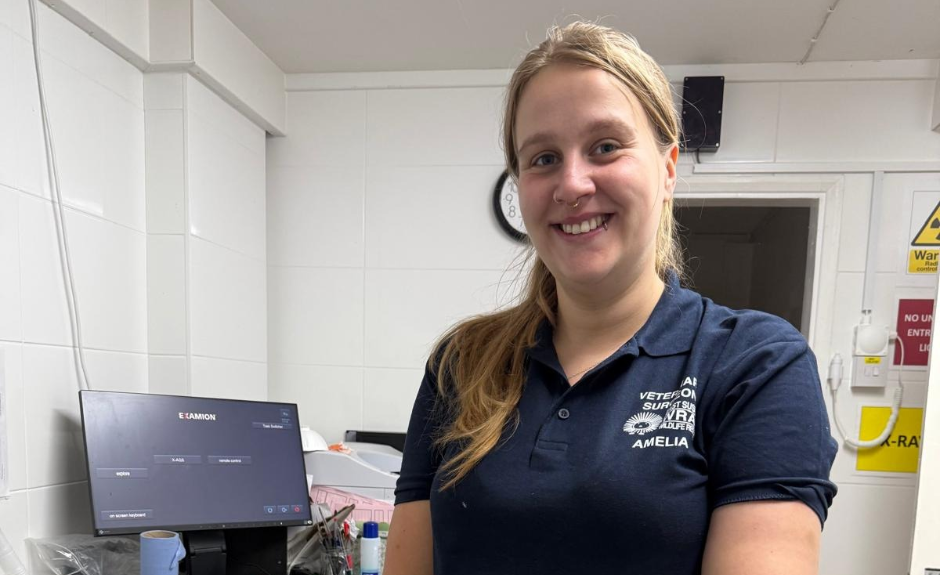
Our Veterinary Surgeon Amelia Cotter, supported by our dedicated Care Team and volunteers, faced the challenge of repairing the damage and helping Pickle recover.
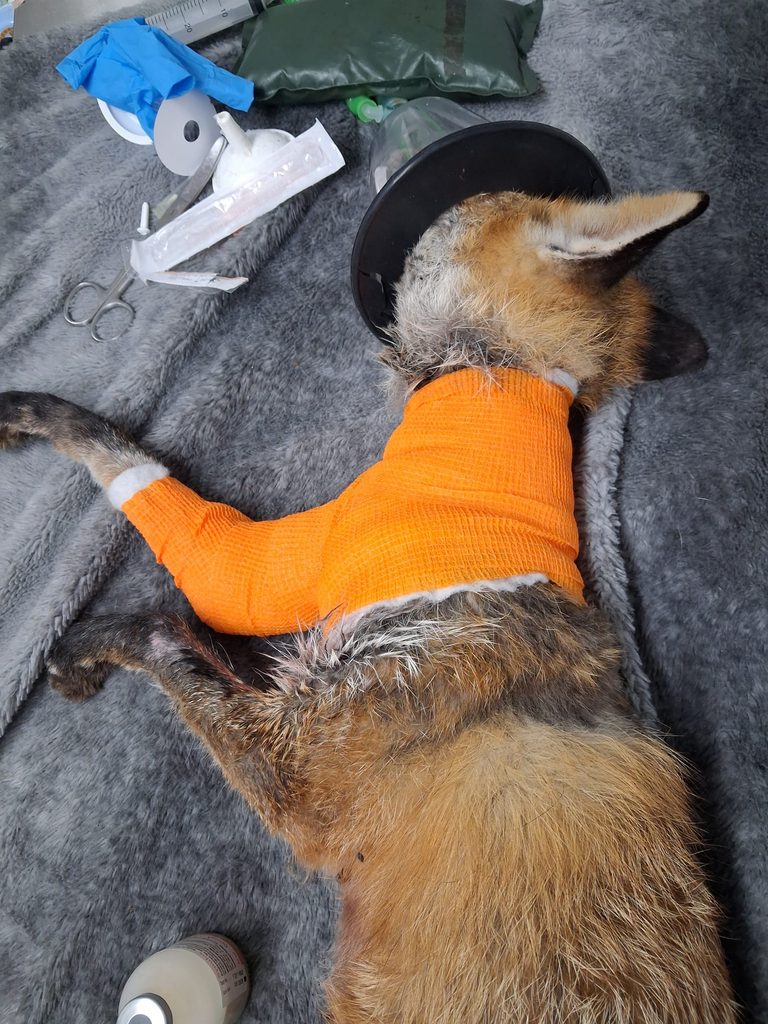
She required veterinary procedures, anaesthetics, repeated wound dressing changes and ongoing medication.
Antibiotics were essential to help fight infection, while pain relief helped keep her comfortable as her injuries healed.
Over the following six weeks, Pickle received dedicated veterinary treatment and rehabilitation.
Gradually, her wounds began to heal and she regained almost full use of her injured leg.
After six weeks of intensive care, the moment everyone had been hoping for finally arrived.
On 3 June 2026 at 9.18pm, just before darkness fell, Pickle was released back into the wild.
For the rescuers who had worked so hard to capture her, and the veterinary and animal care teams who had spent weeks helping her recover, it was an incredibly rewarding outcome.
From a fox struggling to survive with a broken glass jar trapped around her neck and leg, Pickle had recovered sufficiently to return to freedom.
Her story is a wonderful example of what can be achieved when local communities, wildlife rescuers, veterinary professionals and volunteers work together.
When people think about wildlife rescue, they often picture the dramatic moment an animal is caught and brought to safety.
But the rescue is frequently only the first step.
Behind the scenes, veterinary teams may spend days or weeks treating injuries, managing pain, fighting infection and helping casualties recover.
For Pickle, the medicines and anaesthetics used during her six weeks of treatment cost £108.58, with a further £7.26 spent on wound-care products.
| Pickle’s treatment | Cost |
|---|---|
| Medicines and anaesthetics | £108.58 |
| Wound-care products | £7.26 |
| Total recorded costs | £115.84 |
And these were only some of the costs involved.
They don’t include the veterinary and nursing time, food, accommodation, specialist equipment or the other expenses associated with her rehabilitation.
Pickle is just one of thousands of wildlife casualties helped by East Sussex WRAS each year.
During 2025, we dealt with 6,974 wildlife casualties across the region, from foxes and badgers to hedgehogs, owls, swans and countless other species.
Our annual veterinary medicines bill exceeds £12,000 — approximately £33 every single day.
These medicines are essential. They allow us to ease pain, treat infections, carry out necessary procedures and give injured wildlife the best possible chance of recovery.
Pickle was fortunate. Thanks to the persistence of Brighton & Hove WARS, the support of local residents and six weeks of veterinary treatment at East Sussex WRAS, she was given a second chance.
But every day, more injured and sick wildlife arrive at our Casualty Centre needing urgent care.
Some, like Pickle, will recover and return to the wild. Others may sadly be beyond recovery, but even then, appropriate veterinary treatment is essential to prevent unnecessary suffering.
This Christmas, we’re asking for your help to fund the vital medicines these animals need.
Your donation could help provide:
Every donation, however small, can make a difference.
We can’t promise that every wildlife casualty will survive. But with your support, we can continue giving them the veterinary treatment, pain relief and compassionate care they deserve.
Without medication, their pain doesn’t stop.
Please help ease their pain this Christmas.
DONATE TO OUR CHRISTMAS APPEAL
https://wildlifeambulance.short.gy/HETPTC4
We would particularly like to thank Lisa Barrow and everyone at Brighton & Hove Wildlife Advice & Rescue Service for their persistence in rescuing Pickle, as well as the Rottingdean residents who helped locate her and provided safe locations for traps.
Our thanks also go to Veterinary Surgeon Amelia Cotter and our dedicated Care Team and volunteers, whose treatment and commitment helped Pickle make such a remarkable recovery.
East Sussex Wildlife Rescue & Ambulance Service
Registered Charity No. 1108880